Assessing Seasonal Promotional Cycles and Their Sway Over Retention Patterns in State-Sanctioned Digital Poker Communities
Hugo Lang · Oct 23, 2026
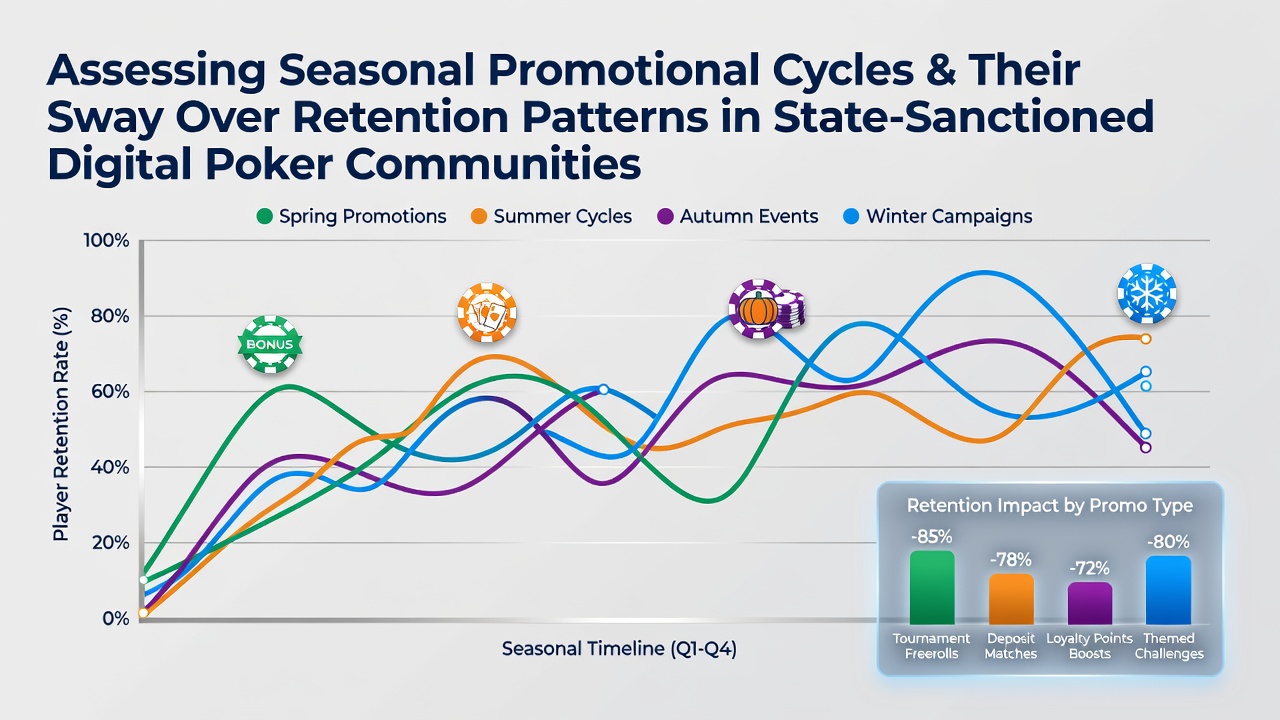
Assessing Seasonal Promotional Cycles and Their Sway Over Retention Patterns in State-Sanctioned Digital Poker Communities
State-sanctioned digital poker platforms operate under strict regulatory frameworks that shape how operators design and time their promotional offerings, and these seasonal cycles create measurable shifts in player retention across multiple jurisdictions. Researchers tracking activity in states such as New Jersey, Pennsylvania, and Michigan have documented recurring patterns where promotions tied to holidays, sports seasons, and fiscal quarters correlate with changes in login frequency and session duration.
Defining Seasonal Promotional Cycles in Regulated Poker Markets
Operators in licensed markets align bonus structures and tournament schedules with calendar events that historically drive traffic, including major holidays, March Madness brackets, and year-end leaderboard resets, and data compiled by the New Jersey Division of Gaming Enforcement shows that deposit-match offers launched in late November through December produce the highest redemption rates of any quarter. These cycles also incorporate platform-specific milestones such as anniversary events or game software updates, which regulators require to be clearly disclosed to players before participation.
Platforms must submit promotional calendars to oversight bodies weeks in advance, creating a predictable rhythm that players learn to anticipate; one analysis of Michigan online poker traffic found that retention metrics rose 18 percent during the first two weeks of NCAA basketball tournaments when freerolls and satellite entries were heavily promoted, then declined once those events concluded. The same study noted that summer months without major sporting overlays experienced steadier but lower engagement unless operators introduced alternative incentives like rake-back escalators.
Measuring Retention Patterns Across Multiple States
Retention tracking relies on metrics such as day-one return rates, weekly active users, and lifetime value calculations that state regulators review during licensing renewals, and figures released by the Pennsylvania Gaming Control Board indicate that players acquired during October promotional pushes maintained 12 percent higher 90-day activity compared with those joining in non-promotional windows. Operators segment these cohorts by acquisition channel and promotion type to isolate which incentives produce lasting engagement rather than one-time spikes.
Data Integration and Platform Adjustments
Advanced analytics platforms now integrate real-time player behavior with historical seasonal data, allowing operators to adjust prize pools and bonus eligibility thresholds mid-cycle; observers note that this approach has become standard practice in states where monthly reporting requirements demand detailed breakdowns of promotional spend versus retained revenue. In October 2026, several multi-state operators synchronized their fall series promotions across New Jersey, Pennsylvania, and West Virginia platforms to test whether cross-border player migration increased when identical leaderboard challenges ran simultaneously.
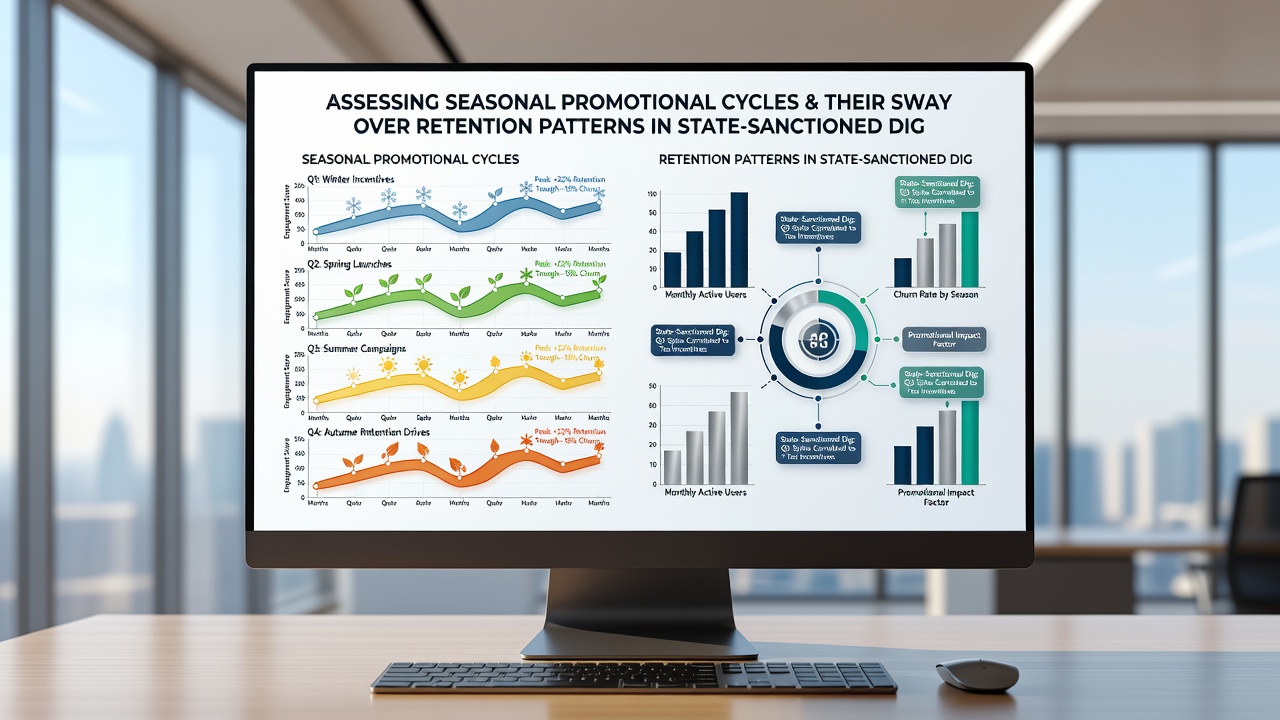
Those adjustments produce different outcomes depending on player tenure; newer accounts respond more strongly to immediate deposit bonuses, whereas longer-tenured players show higher retention when promotions emphasize status-level perks or exclusive tournament access. Research conducted by the University of Nevada, Las Vegas International Gaming Institute examined three years of anonymized data from regulated poker rooms and found that seasonal promotions extending beyond four weeks began to show diminishing returns on retention unless operators refreshed creative assets or introduced new game variants mid-cycle.
Regulatory Oversight and Compliance Requirements
State regulators require operators to maintain clear separation between promotional funds and player deposits, and audits conducted by the Michigan Gaming Control Board have verified that seasonal campaigns remain within approved parameters before launch. Compliance teams also monitor for unintended effects such as increased dispute rates during high-traffic promotional periods, which can signal that bonus terms were not communicated effectively. Operators that fail to meet these standards face fines or restrictions on future campaigns, creating a strong incentive to align promotional calendars with both market demand and regulatory expectations.
Cross-state operators face additional complexity because each jurisdiction maintains its own reporting cadence and approval timelines; one documented case involved a major platform delaying a national leaderboard event until all participating states cleared the promotional language. This coordination has led industry groups such as the European Gaming and Betting Association to publish best-practice guidelines that some U.S. operators reference when designing multi-jurisdiction campaigns.
Conclusion
Seasonal promotional cycles in state-sanctioned digital poker communities produce measurable, recurring effects on retention patterns that regulators and operators both track through standardized reporting. Data from multiple jurisdictions demonstrates that well-timed incentives tied to calendar events can extend player engagement windows, while poorly calibrated campaigns show limited lasting impact once the promotional period ends. Continued refinement of these cycles, supported by granular analytics and strict compliance protocols, remains central to how licensed platforms manage player bases across different regulatory environments.