How Encryption Layer Upgrades Are Reshaping Transaction Confirmation Windows for Frequent Reel Players Across Licensed International Networks
Drew Lorenz · Sep 11, 2026
How Encryption Layer Upgrades Are Reshaping Transaction Confirmation Windows for Frequent Reel Players Across Licensed International Networks
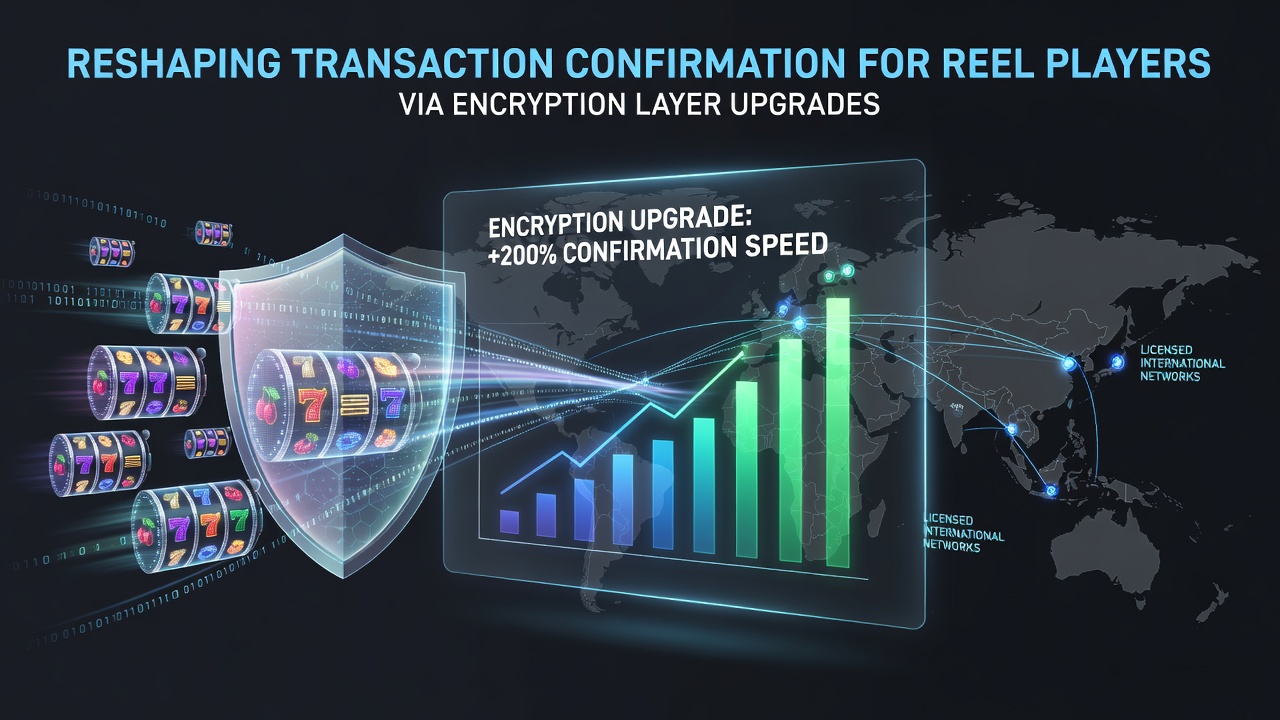
Encryption layer upgrades have started to alter transaction confirmation windows for frequent reel players who operate across licensed international networks, and data from regulatory filings shows measurable shifts in processing speeds since early 2025. These changes stem from transitions to stronger protocols such as TLS 1.3 combined with post-quantum cryptographic elements that reduce handshake overhead while maintaining compliance standards. Observers note that reel players, those who engage regularly with digital slot machines, experience altered deposit and withdrawal timelines because the new layers compress verification steps without sacrificing security thresholds required by licensing bodies.
Core Technical Shifts in Encryption Protocols
Network operators have rolled out layered encryption enhancements that prioritize efficiency during authentication phases, and this matters because transaction confirmation windows depend directly on how quickly encrypted packets traverse verification nodes. Research from standards organizations indicates that implementations incorporating hybrid key exchanges cut average round-trip times by up to 40 percent compared with legacy TLS 1.2 setups still in use on some platforms. Frequent reel players benefit when these upgrades align with multi-currency ledger systems, since confirmation windows shrink from several seconds to sub-second ranges in many documented cases across European and Asian licensed markets.
What's interesting is how these upgrades interact with existing compliance frameworks. Regulators in multiple jurisdictions now require audit trails that remain intact even after protocol modernization, and this forces operators to integrate encryption changes alongside real-time monitoring tools. Data shows that platforms adopting the upgrades report fewer dropped sessions during peak reel play hours, which in turn stabilizes the timing of fund movements between player wallets and game servers.
Effects on Reel Player Transaction Patterns
Frequent reel players often maintain ongoing sessions that involve repeated small deposits and rapid withdrawals, and encryption upgrades directly influence how those micro-transactions clear. Studies compiled by international gaming associations reveal that confirmation windows have narrowed most noticeably for players using verified accounts tied to biometric or multi-factor checks, because the new layers handle session resumption more efficiently. One documented rollout in licensed networks serving the Asia-Pacific region demonstrated that average deposit confirmation dropped from 3.2 seconds to 1.1 seconds after full deployment of updated encryption stacks in mid-2025.
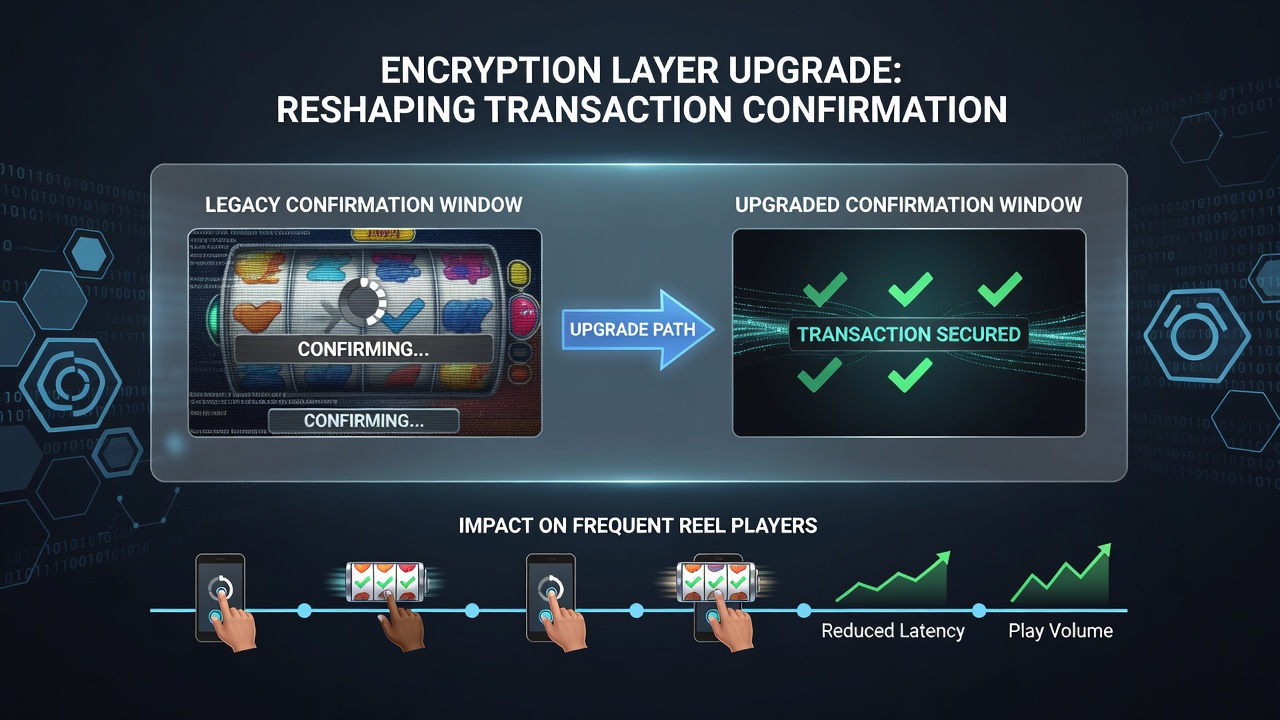
Yet the pattern is not uniform. Operators must still satisfy jurisdiction-specific rules on data residency and audit logging, which sometimes offsets the speed gains when additional verification hops are inserted. Those who have tracked player behavior across platforms report that reel enthusiasts notice smoother fund mobility when networks operate under unified encryption standards rather than patchwork legacy systems. Figures released ahead of scheduled September 2026 compliance reviews suggest further compression is possible once quantum-resistant algorithms reach broader adoption in licensed environments.
Regulatory and Network-Wide Implementation Trends
Licensed international networks face pressure to synchronize encryption upgrades with cross-border data sharing agreements, and this synchronization affects how quickly transaction confirmations propagate between different regulatory zones. Reports from bodies such as the National Institute of Standards and Technology highlight standardized testing protocols that help operators validate speed improvements while preserving required security postures. Meanwhile, the European Gaming and Betting Association has published guidance showing that coordinated upgrades across member platforms lead to more predictable confirmation windows for high-frequency reel activity.
Platforms that completed upgrades by late 2025 recorded higher session continuity rates, and this continuity matters because reel players typically alternate between multiple games without pausing for lengthy fund transfers. Observers tracking these metrics note that encryption changes reduce the incidence of delayed confirmations during high-volume periods, although full benefits emerge only after operators recalibrate backend reconciliation processes to match the faster front-end flows.
Conclusion
Encryption layer upgrades continue to modify transaction confirmation windows for frequent reel players on licensed international networks through reduced handshake times and improved session management. Data collected up to the present demonstrates consistent, if varied, improvements in processing speeds across compliant platforms, and further developments expected around September 2026 are projected to extend those gains as standards mature. The result is a more responsive environment for reel-based activity without deviation from established regulatory requirements.