Investigating the Alignment of Age Verification Systems with Real-Time Gameplay Features in European Digital Gaming Markets
Xander Ludwig · Oct 9, 2026

Investigating the Alignment of Age Verification Systems with Real-Time Gameplay Features in European Digital Gaming Markets
European digital gaming markets continue to integrate age verification systems directly into real-time gameplay environments, with operators across multiple jurisdictions adapting their platforms to meet both regulatory requirements and seamless user experiences. Data from the European Commission indicates that member states have implemented varying standards for online gambling compliance since the 2018 overhaul of digital market rules, and these standards now extend into live dealer sessions, instant-win mechanics, and multiplayer environments where delays can disrupt play flow.
Regulatory Landscape Across Key Markets
Germany's Interstate Treaty on Gambling requires continuous identity checks that sync with ongoing sessions, while the Netherlands and France maintain separate frameworks that demand verification triggers at account creation and again during high-velocity betting sequences. Observers note that these rules create technical demands on platforms because verification must occur without pausing roulette spins, blackjack hands, or sports betting interfaces. Researchers at the European University Institute have documented how national regulators test synchronization protocols that pull data from government databases in milliseconds, allowing gameplay to resume immediately after initial onboarding.
Platforms operating in multiple countries must therefore maintain parallel verification layers, each calibrated to local thresholds for age confirmation and responsible gaming alerts. Figures released in late 2025 show that cross-border operators handle an average of 4.2 million verification events monthly across EU servers, with the majority occurring during active play rather than at login.
Technical Integration Methods
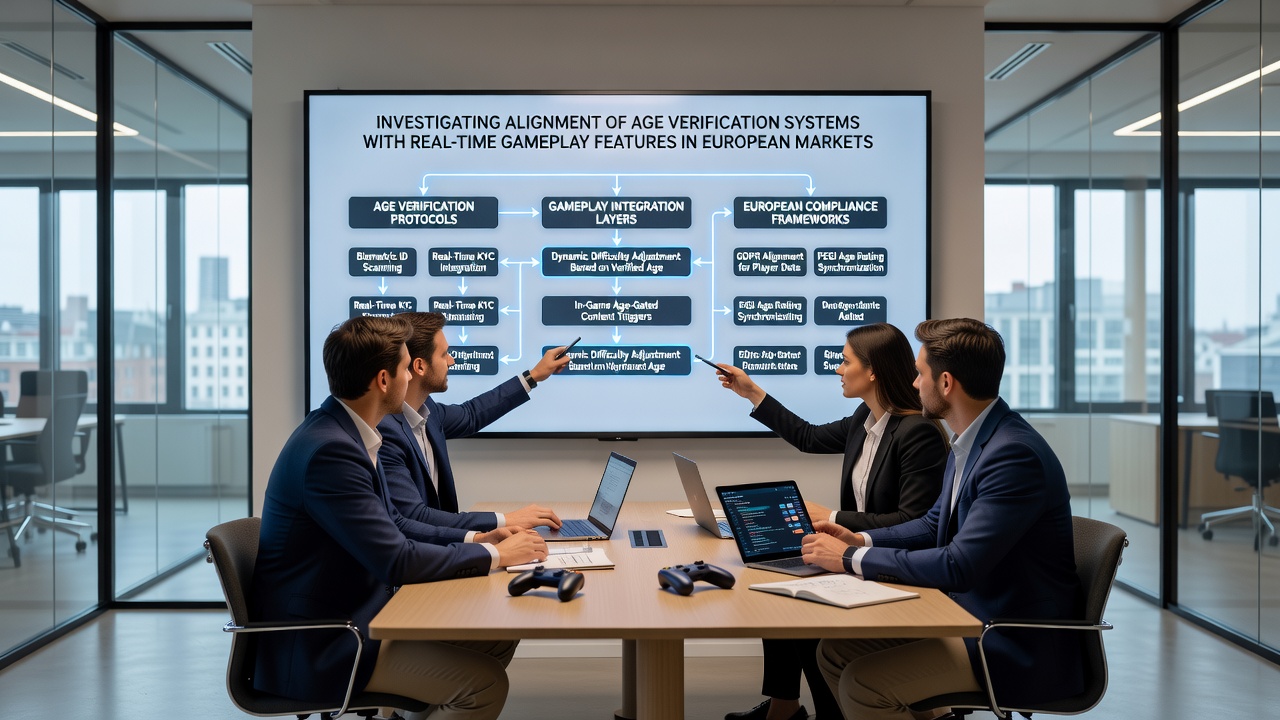
Real-time alignment relies on layered technologies that combine document scanning, facial recognition, and behavioral analytics without interrupting core game loops. One system employed by several licensed operators uses AI models trained on public biometric datasets to cross-reference live camera feeds against submitted identity documents while players remain engaged in table games. This approach processes checks in under three seconds on average, according to performance metrics shared at industry forums, and it triggers only when risk signals such as rapid deposit patterns or account age anomalies appear.
Another method integrates with national eID systems, pulling verified age data from government portals during background processes. In markets where such infrastructure exists, players experience no visible interruption as the system confirms eligibility and updates session permissions automatically. Those who've studied these implementations point out that the key lies in asynchronous data calls that run parallel to game engines rather than sequential handshakes that force pauses.
Challenges in Live Environments
Live dealer streams and instant multiplayer formats present unique hurdles because verification events must not interfere with timing-sensitive features such as card shuffles, wheel spins, or shared jackpot timers. Data from platform audits reveal that mismatched verification timing has led to session drops in 1.8 percent of tested cases, prompting developers to refine edge caching and fallback protocols. And while some systems default to temporary play restrictions until full confirmation arrives, others allow limited functionality with strict spending caps until teh process completes.
October 2026 marks the scheduled rollout of updated technical guidelines from the European Gaming Standards Association that will standardize latency thresholds for verification during live sessions, requiring all licensed operators to demonstrate sub-five-second processing under peak load. Industry reports indicate that testing phases for these standards began in early 2025 across select platforms in Malta and Sweden, where regulators monitor both compliance rates and player retention metrics simultaneously.
Emerging Solutions and Data Trends
Biometric tokens stored locally on devices now allow repeat verification without repeated document uploads, a development that aligns age checks more closely with continuous gameplay. According to findings from a 2025 cross-European study involving operators in five countries, adoption of token-based systems reduced verification-related drop-offs by 37 percent compared with traditional methods. These tokens refresh periodically through encrypted channels while gameplay continues uninterrupted, and they link directly to responsible gaming tools that monitor session length and expenditure in real time.
Operators also deploy machine learning models that predict when verification might be needed based on behavioral patterns, triggering background checks before a player reaches critical thresholds. This proactive alignment keeps regulatory requirements invisible to most users while maintaining strict adherence to age restrictions across borders.
Conclusion
European markets demonstrate measurable progress in aligning age verification with real-time features through synchronized technical standards and evolving regulatory timelines. Continued refinement ahead of the October 2026 guidelines will likely determine how seamlessly these systems operate across diverse platforms and jurisdictions, with current data showing consistent efforts to minimize friction while preserving compliance integrity.