Mapping the Correlation Between Regional Tax Structures and Net Player Yields in Cross-Border Digital Roulette Operations
Xander Ludwig · Nov 20, 2026

Mapping the Correlation Between Regional Tax Structures and Net Player Yields in Cross-Border Digital Roulette Operations
Regional tax structures shape net player yields in cross-border digital roulette operations through direct effects on operator pricing models and indirect adjustments to payout percentages. Data from multiple jurisdictions shows that operators respond to higher tax rates by recalibrating game parameters, which in turn influences the average returns players receive after accounting for local levies and currency conversions.
Tax Frameworks Across Key Markets
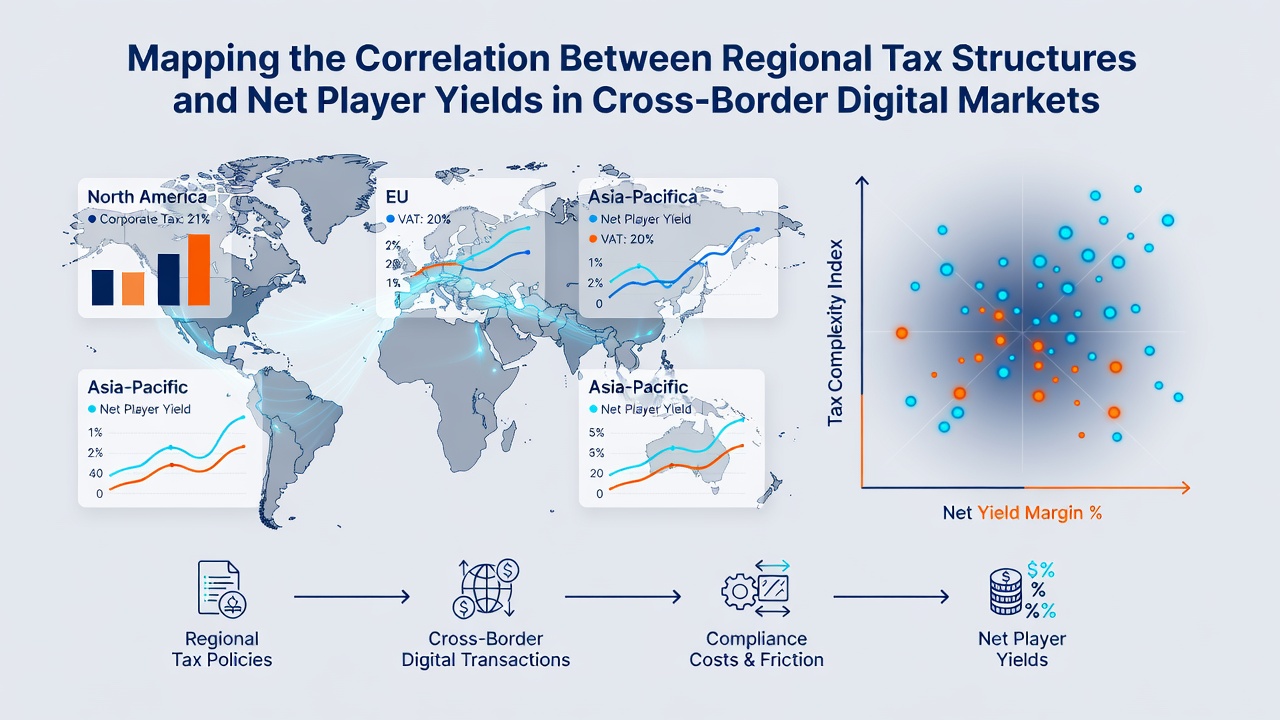
European jurisdictions apply point-of-consumption taxes that range from 10 percent in certain low-rate zones to over 25 percent in others, while Asian regulatory bodies impose gross gaming revenue taxes between 15 and 35 percent depending on licensing category. North American frameworks add state-level fees on top of federal considerations, creating layered obligations that operators must reconcile when serving players from multiple locations simultaneously. Observers note that these differences drive platform operators to maintain separate ledgers for each regulatory environment rather than applying uniform payout structures globally.
Calculating Net Player Yields
Net player yield represents the effective return after subtracting operator margins, tax pass-through costs, and cross-border transaction fees from standard roulette payout ratios. Studies tracking multi-jurisdictional platforms indicate that a 5 percent increase in local tax rates correlates with a measurable compression in average player returns over rolling 12-month periods. Those calculations incorporate real-time currency fluctuations and loyalty program redemptions, which platforms adjust dynamically to maintain compliance across borders.
Operator Adjustments in Practice
Platforms operating across borders segment their roulette offerings by player location, applying region-specific rake structures that reflect the prevailing tax burden. In markets with elevated tax loads, operators reduce bonus eligibility windows and tighten maximum bet limits to preserve margin targets. Data shows that players in lower-tax regions experience comparatively higher net yields on identical game variants because fewer deductions are applied at the point of settlement.
Cross-Border Data Patterns
Analysis of transaction records from 2024 through mid-2026 reveals consistent patterns where jurisdictions with tax rates above 20 percent report lower average player retention in roulette categories compared with neighboring lower-tax zones. Researchers tracking these flows attribute the difference partly to yield compression and partly to player migration toward platforms that optimize for their specific tax environment. Currency conversion costs compound the effect when players move funds between accounts licensed in different regions.
Regulatory Developments Through November 2026
Scheduled tax revisions in several Asian markets take effect in November 2026, requiring operators to recalculate payout structures for affected player cohorts. European authorities continue to refine reporting requirements for cross-border activity, which adds administrative layers that indirectly influence how platforms allocate revenue shares. Industry reports indicate that operators have begun pre-adjusting roulette parameters in anticipation of these changes to avoid sudden yield disruptions for players.
Conclusion
Regional tax structures maintain a measurable influence on net player yields within cross-border digital roulette operations through direct margin adjustments and operational segmentation. Continued monitoring of regulatory updates remains essential for understanding how these correlations evolve as new frameworks are implemented across markets.