When Verification Meets Jackpots: Timelines Shaping Access in Regulated Digital Networks
Hugo Lang · Nov 6, 2026
When Verification Meets Jackpots: Timelines Shaping Access in Regulated Digital Networks
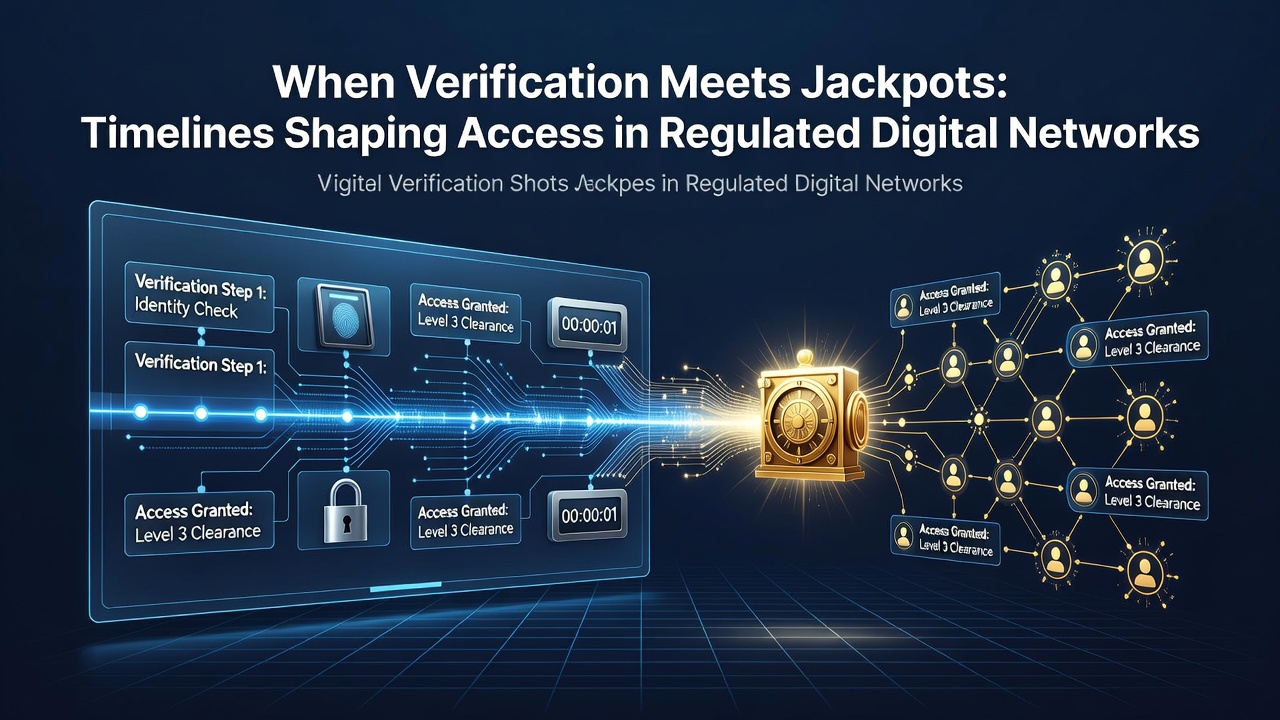
Regulated digital networks tie jackpot access directly to verification timelines that operators must follow under licensing rules, and these processes determine when winners receive funds after a progressive prize triggers. Data from multiple jurisdictions shows verification steps such as identity confirmation, address validation, and source-of-funds reviews create fixed windows that range from hours to several business days depending on the regulatory framework in place.
Core Verification Stages in Licensed Platforms
Operators in regulated markets complete initial account setup through automated document uploads followed by manual review cycles, while jackpot claims trigger additional layers including biometric confirmation and transaction history audits. Research indicates that platforms licensed in North American states process standard verifications within 24 to 72 hours once all documents arrive, yet jackpot events often extend this window because regulators require independent third-party validation of prize eligibility before any transfer occurs.
European operators follow similar sequences yet coordinate with national authorities that impose stricter source-of-funds checks for larger wins, and these requirements produce timelines that stretch across five to ten business days in documented cases. Observers note that synchronization between automated systems and human compliance teams remains the main variable affecting speed across different networks.
Regional Timeline Variations and Regulatory Examples
Canadian provincial frameworks, particularly those managed through the Alcohol and Gaming Commission of Ontario, set explicit deadlines for verification completion that operators must meet to maintain licensing status, and these rules directly influence when players in multi-jurisdiction progressive pools can access winnings. Figures from industry reports reveal average processing times of 48 hours for routine verifications that rise to four days when jackpot amounts exceed defined thresholds.
Australian state regulators apply comparable standards through the New South Wales Independent Liquor and Gaming Authority, where documented procedures require full identity reconciliation before jackpot disbursement, and data shows this step adds two to three additional days beyond initial account approval. Those who've examined cross-border networks find that platforms serving multiple regions maintain separate compliance queues to satisfy each authority's distinct timeline mandates without overlap violations.
One documented case involved a multi-state digital network where a jackpot trigger in November 2025 led to verification completion within 36 hours under streamlined protocols, yet full fund release occurred only after an additional 72-hour regulatory hold period expired. Such patterns repeat across licensed environments because operators align internal processes with external reporting obligations that protect network integrity while meeting player access expectations.
Impact on Progressive Jackpot Pools and Player Access
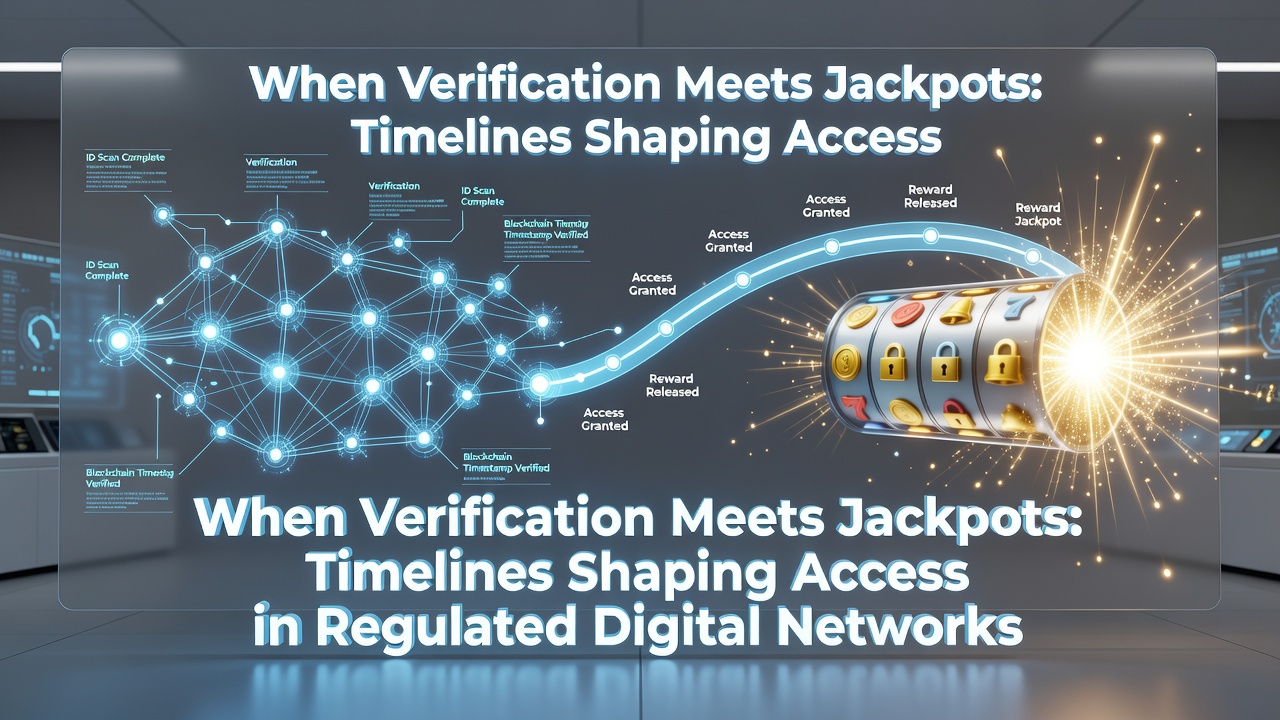
Progressive jackpot systems aggregate contributions across verified accounts, and any unverified status blocks prize allocation until the player completes required steps, which creates measurable delays in fund mobility. Studies from gaming research institutions indicate that networks with automated verification pipelines reduce average access times by 40 percent compared with manual-only systems, although jackpot-scale wins still route through secondary approval layers regardless of automation level.
Platforms operating under New Jersey Division of Gaming Enforcement oversight publish quarterly metrics that track verification completion rates alongside jackpot claim statistics, and these reports demonstrate consistent alignment between faster identity checks and quicker prize distributions. What's notable is how operators now integrate real-time status dashboards that allow players to monitor each verification stage without direct contact, which shortens perceived timelines even when actual processing remains unchanged.
Future Adjustments Scheduled for Late 2026
Regulatory updates planned across several jurisdictions for November 2026 introduce standardized verification templates that aim to compress current timelines through shared data protocols between operators and oversight bodies. These changes target progressive jackpot networks specifically because larger prize pools involve higher compliance scrutiny, and early modeling suggests potential reductions of up to two business days in average processing windows once the templates activate.
Industry associations have begun testing interoperability standards that would allow verified status to transfer across licensed platforms within the same regulatory region, and this approach could further streamline access for players participating in cross-network jackpot pools. Data collection efforts continue through 2026 to establish baseline measurements before the new requirements take effect.
Conclusion
Verification timelines in regulated digital networks function as gatekeepers that directly shape when jackpot winners gain access to funds, and operators balance these requirements against licensing obligations that vary by jurisdiction. Continued refinement of automated tools and upcoming regulatory harmonization efforts scheduled for November 2026 point toward measurable improvements in processing efficiency across progressive systems. Those monitoring these developments will track how implementation affects actual access windows once the updated frameworks activate.